These Reps just need a little push to switch
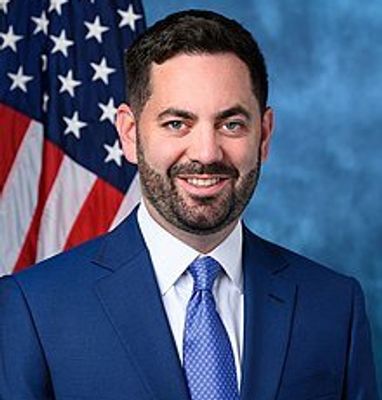
Mike Lawler (NY-17)
Mike stands out as a potential party‑switch candidate because he has already shown an independent streak in his voting record and public statements, signaling that he’s willing to break with his party when he believes the country’s long‑term stability is at stake. He represents a district where voters increasingly expect moderation and constitutional steadiness, and he has demonstrated an ability to work across the aisle without the usual partisan theatrics. For constituents who value pragmatism over party loyalty, Mike’s approach suggests he could thrive in a political home that better aligns with his emphasis on responsible governance and problem‑solving.
Email Link: https://lawler.house.gov/contact
DC Phone: 202-225-6506
District Phone: 845-201-2060
Strategic Comments: Suburban NYC; Biden +10.1; highly vulnerable seat.

Brian Fitzpatrick (PA-1)
Brian Fitzpatrick is often viewed as a potential party‑switch candidate because he consistently positions himself as one of the most independent‑minded members of the House. Representing a suburban district that leans moderate, he has built a reputation for bipartisan cooperation and a willingness to break with his party on high‑profile votes when he believes it serves his constituents’ interests. His background as an FBI agent and his emphasis on institutional stability resonate with voters who prioritize constitutional norms over partisan conflict. For people looking at which lawmakers might be open to realignment, Fitzpatrick’s pragmatic approach and history of cross‑party collaboration make him a logical name on the list.
Email Link: https://fitzpatrick.house.gov/contact
DC Phone: 202-225-4276
District Phone: 215-579-8102
Strategic Comments: Moderate reputation; Biden +5.4; swing district.
Don Bacon (NE-2)
Don Bacon is often viewed as a plausible party‑switch candidate because he has repeatedly positioned himself as a centrist voice within his caucus, especially on issues where he believes moderation better reflects the values of Nebraska’s 2nd District. He has shown a willingness to break with his party on key votes and has publicly emphasized the importance of stability, institutional norms, and bipartisan cooperation. Bacon’s district is competitive and increasingly rewards pragmatic leadership over rigid partisanship, making his independent streak a natural fit for constituents who prioritize problem‑solving over party alignment. For observers looking at who might be open to realignment, Bacon’s record of cross‑party engagement places him high on the list.
Email Link: https://bacon.house.gov/contact
DC Phone: 202-225-4155
District Phone: 402-938-0300
Strategic Comments: Omaha metro; Biden +6.6; suburban and shifting.
David Valadao (CA-22)
David Valadao is frequently viewed as a potential party‑switch candidate because he represents one of the most competitive districts in the country, where voters consistently reward moderation and cross‑party cooperation. Throughout his time in Congress, he has shown a willingness to break with his party on high‑visibility issues when he believes it aligns with the values of California’s 22nd District. His pragmatic approach, focus on local concerns, and history of bipartisan engagement suggest he could be receptive to a political realignment that better reflects the centrist, solutions‑oriented expectations of his constituents. For observers evaluating who might be open to switching, Valadao’s independent streak makes him a logical inclusion.
Email Link: https://valadao.house.gov/contact
DC Phone: 202-225-4695
District Phone: 661-864-7736
Strategic Comments: Central Valley; Biden +12.9; deep blue district.
Young Kim (CA-40)
Young Kim is often viewed as a potential party‑switch candidate because she represents a diverse, highly educated, and increasingly moderate district where bipartisan problem‑solving is a political necessity rather than a talking point. She has shown a willingness to break with her party on select issues and has consistently emphasized pragmatic governance, constituent service, and cross‑cultural engagement. Her public messaging frequently centers on stability, responsible leadership, and practical solutions — themes that resonate strongly in CA‑40 and align with the expectations of a centrist electorate. For observers evaluating who might be open to realignment, Kim’s independent posture and district dynamics make her a logical inclusion on the list.
Email Link: https://youngkim.house.gov/contact
DC Phone: 202-225-4111
District Phone: 714-984-2440
Strategic Comments: Orange County; Biden +1.9; moderate profile.
Ken Calvert (CA-41)
Ken Calvert is sometimes viewed as a potential party‑switch candidate because he represents a district that has been steadily shifting toward the center, making bipartisan credibility increasingly valuable. Over the years, he has shown moments of pragmatic cooperation and has demonstrated an ability to work with colleagues across the aisle when district priorities demand it. As CA‑41 continues to diversify politically and demographically, a realignment toward a more moderate posture could strengthen his connection with constituents who prioritize stability, economic stewardship, and practical governance over rigid partisanship. For observers evaluating who might be open to a shift, Calvert’s long tenure and adaptability make him a noteworthy inclusion.
Email Link: https://calvert.house.gov/contact
DC Phone: 202-225-1986
District Phone: 951-277-0042
Strategic Comments: Inland Empire; Biden +1.2; long-time incumbent.
David Schweikert (AZ-1)
David Schweikert is sometimes viewed as a potential party‑switch candidate because he represents a district that has become increasingly competitive and rewards a more pragmatic, less partisan approach to governance. Over his tenure, he has shown moments of independence and a willingness to break with his party when fiscal policy, district priorities, or institutional stability are at stake. AZ‑1’s shifting demographics and growing bloc of moderate voters create an environment where a realignment toward a more centrist posture could strengthen his long‑term standing. For observers evaluating who might be open to a shift, Schweikert’s experience, adaptability, and occasional bipartisan engagement make him a noteworthy inclusion.
Email Link: https://schweikert.house.gov/contact
DC Phone: 202-225-2190
District Phone: 480-946-2411
Strategic Comments: Phoenix suburbs; Biden +1.4; tight margins.
Tom Kean Jr. (NJ-7)
Tom Kean Jr. is often viewed as a potential party‑switch candidate because he represents a highly competitive, suburban district where voters consistently reward moderation and bipartisan cooperation. Coming from a long‑established political family with a tradition of pragmatic, consensus‑driven leadership, he has shown an interest in governing through stability rather than ideological confrontation. NJ‑7’s electorate increasingly favors centrist problem‑solving over rigid partisanship, creating an environment where a realignment toward a more moderate political home could strengthen his connection with constituents. For observers evaluating who might be open to a shift, Kean’s background, district dynamics, and measured approach make him a logical inclusion.
Email Link: https://kean.house.gov/contact
DC Phone: 202-225-5361
District Phone: 908-547-3307
Strategic Comments: Moderate district; Biden +4.7.
Jen Kiggans (VA-2)
Jen Kiggans is often viewed as a potential party‑switch candidate because she represents a competitive, military‑heavy district where voters consistently reward moderation, steadiness, and bipartisan cooperation. Her background as a Navy helicopter pilot and nurse has shaped a public persona centered on service, pragmatism, and institutional stability rather than ideological confrontation. VA‑2’s electorate increasingly favors centrist, solutions‑focused leadership, creating an environment where a realignment toward a more moderate political home could strengthen her connection with constituents. For observers evaluating who might be open to a shift, Kiggans’ professional background, district dynamics, and measured approach make her a logical inclusion.
Email Link: https://kiggans.house.gov/contact
DC Phone: 202-225-4215
District Phone: 757-364-7650
Strategic Comments: Virginia Beach; Biden +2.0; military-heavy district.
Zach Nunn (IA-3)
Zach Nunn is sometimes viewed as a potential party‑switch candidate because he represents a highly competitive district where voters increasingly reward moderation, stability, and bipartisan cooperation. His background in military service and state government has shaped a public profile centered on discipline, pragmatism, and institutional responsibility rather than ideological confrontation. IA‑3’s shifting political landscape — with a growing bloc of independents and suburban moderates — creates an environment where a realignment toward a more centrist political home could strengthen his long‑term connection with constituents. For observers evaluating who might be open to a shift, Nunn’s district dynamics, professional background, and occasional independent posture make him a logical inclusion.
Email Link: https://nunn.house.gov/contact
DC Phone: 202-225-5476
District Phone: 515-400-8180
Strategic Comments: Des Moines metro; Biden +0.4; extremely narrow margin.